Juan Antonio Gómez, CEO of PAASA: “ the CDTI and the FEDER Delissafe make it possible, an innovation for detecting before pathogens in the food chain ”
Since a watermill to biotechnology, the history of Foodstuffs Albacete S.A reflects the evolution of the agri-food model, committed to innovation and security. This commitment is put into practice in Delissafe, a project developed by the company and co-financed by the CDTI Innovation and european funds ERDF, which applies to anticipate biosensores microbiological risk assessment
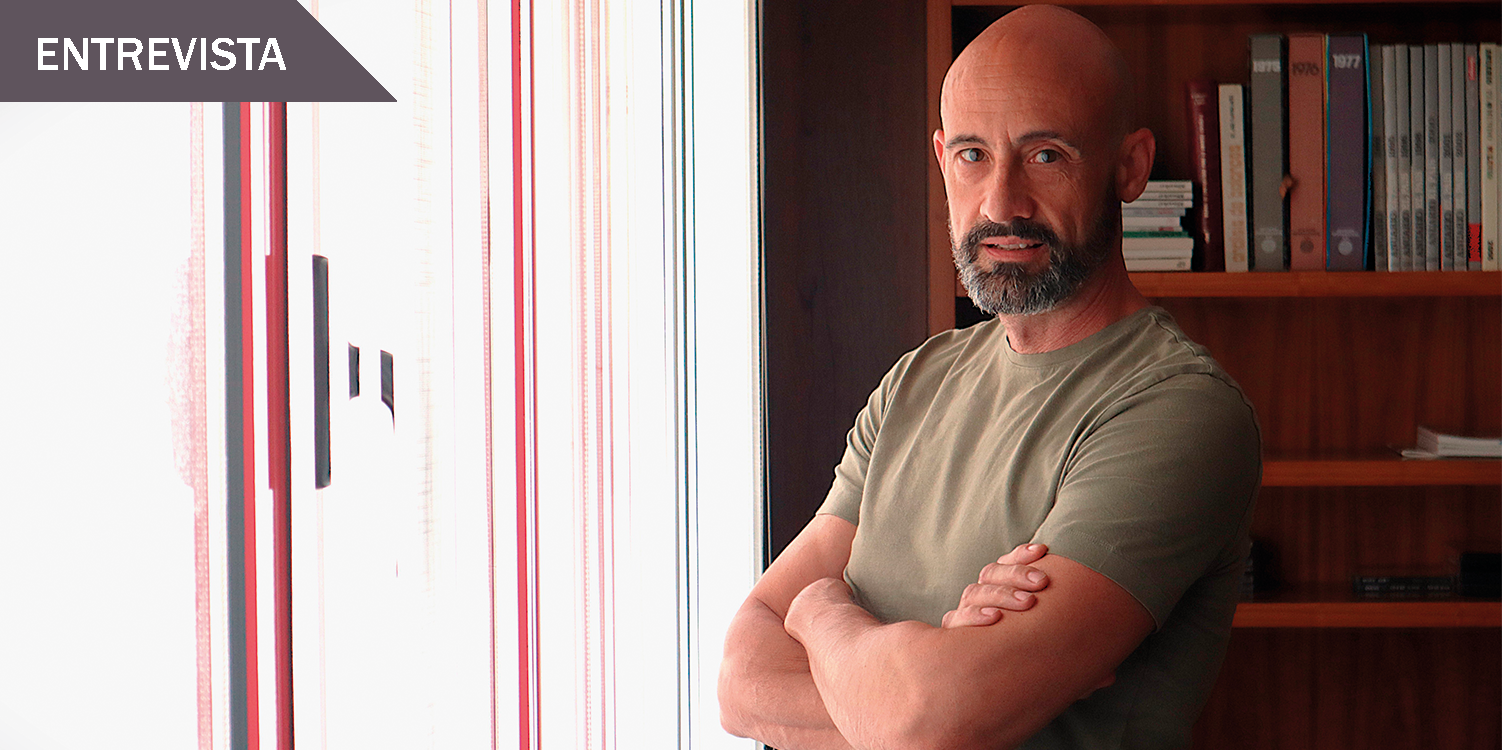
With over 300 employees and a history dating back to the time when the mills were the basis of the processing of wheat in Mancha Castilla-La Foodstuffs Albacete S.A. (PAASA) has been consolidated in the poultry sector. Its CEO, Juan Antonio Gómez, emphasizes with pride family origin of the group, which today TOLVASA-PAASA integrates 49 shareholders and maintains its essence cooperative and industrial property.
“ our story begins with a mill in water ”, recalls Gómez. “ it was the commitment of Your son of Toulouse, founder, behind the transformation of the mill in a factory of fishmeal and, subsequently, in an integrated chain that extends from the production of feed up to the processing of chicken ”. In this way, the partnership with the madrid builder Otelo Courageous was key to consolidating a business model based on the control of the whole productive cycle.
Innovation for a safer food chain
Today, PAASA focuses its activity in the channel, butchering, and processed in chicken, with a strategy aimed at 100% national market. Its main clients are companies like Proalpe, Ecomora, Fragadis, Arunci or Atlas. But they had no direct presence in foreign markets, the company provides for a scheduled growth 40 per cent and seeks to expand horizons thanks to the continuous improvement of its processes and the progressive introduction of technological solutions.
In this context the Delissafe project, an initiative of r & D that had been endorsed by the CDTI Innovation and co-financing of european funds ERDF. Its aim is the development of new biotechnological tools for early detection of pathogens in the food chain. “ We Needed To reduce response times in the microbiological controls, ” explains Juan Antonio Gómez. “ with traditional methods, the results are a long time, which can pose risks in the production chain. This project allows us to anticipate and take decisions before the products reach the consumer ”.
The main challenge was to establish thresholds with appropriate detection to the legal requirements. To that end, PAASA account with the technical support of ITENE Technological Institute, which provides the knowledge, expertise and facilities necessary for the development of biosensor. This technology is based on functional integration of nanomaterials, such as gold nanoparticles or grafeno electrodes, with highly specific biological, or as antibodies probes of DNA. The result is an analytical tool to highlight is ease of use, portability and speed.
“ one of the great benefits of biosensores is that do not require highly skilled personnel for management, and can bring results in very short deadlines, reducing the experimental uncertainty ", highlights the CEO of PAASA. Moreover, its miniaturization allows on-site analysis, optimizing the time and resources invested in quality control.
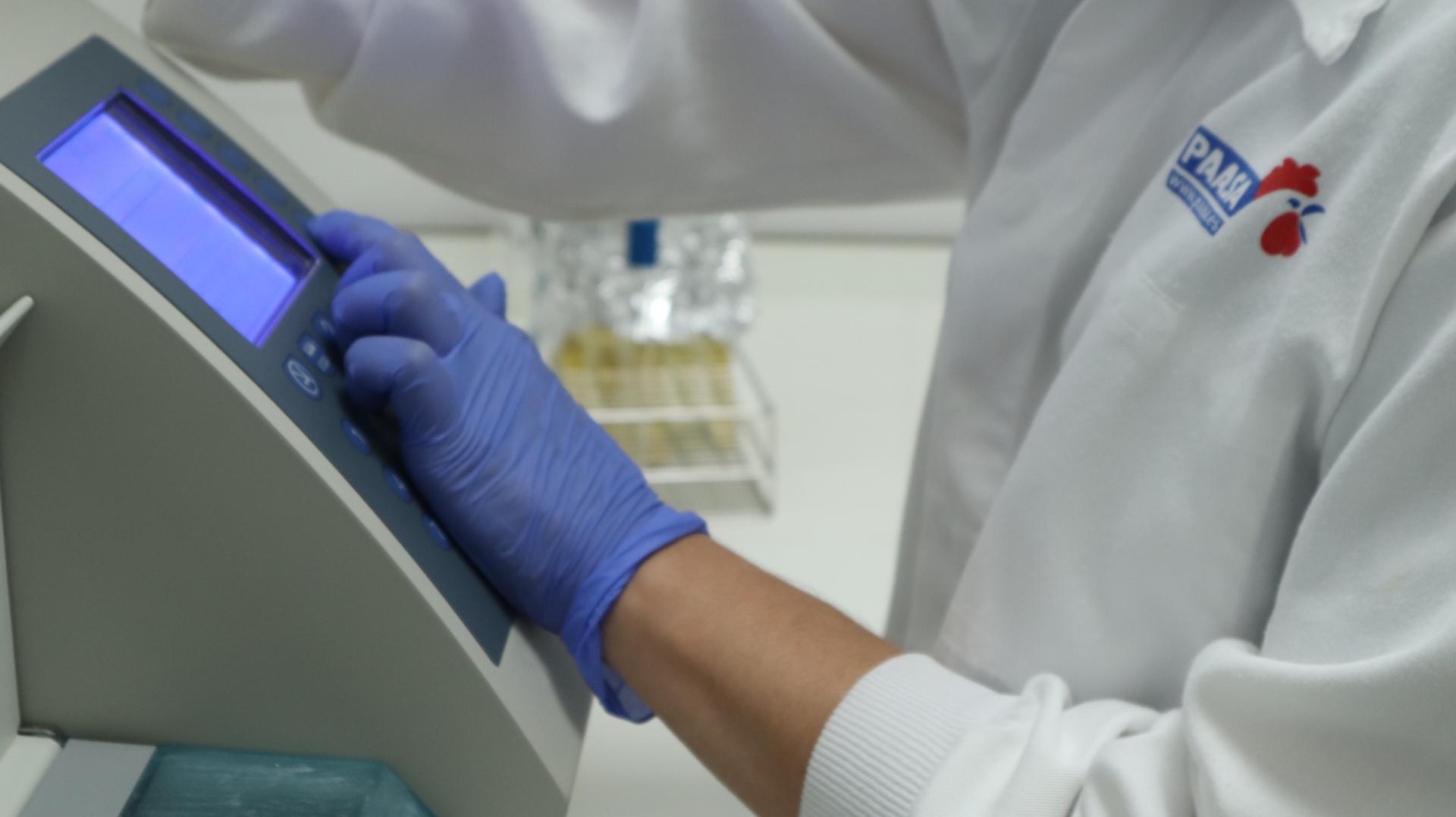
Facilities of foodstuffs Albacete S.A (PAASA)
Technology for sustainability
From an environmental point of view, also brings advantages Delissafe. “ This technology reduces food waste, as it can identify with greater precision if a lot is really contaminated, ” explains Gómez. “ furthermore, the use of microlitres or sample and reagents substantially decreases the use of laboratory equipment and waste generated ”. It also allows to optimize the protocols of cleaning and disinfection - which is a greater efficiency of the resources used.
PAASA does not have a r & D department itself; its quality department, composed of six people, assumes responsibility for these innovative projects. Investment in r + D + i represents only 0.2% of revenues, which underlines the importance of institutional support for progress in this area. “ We belong to a sector that has historically worked with very tight margins, ” says the manager. “ Aid under the CDTI and the FEDER are decisive to address innovation projects which otherwise would not be feasible ”.
Aid should not only have a direct impact on the improvement of processes and enterprise competitiveness, but also translate into tangible benefits to society. “ When a company improves their processes, reduced their costs and can offer more competitive prices to consumers. Moreover, generate employment opportunities and opens the door to new markets. In our case, there has quadrupled in the past eight years ”.
Collaboration with ITENE has been essential to translate into tangible results technological development. The experience of the technology centre has enabled PAASA implement technique in plant and move forward in the design of a future detection machine adapted to their needs. The next step is to scale this technology at the industrial and explore its applicability in other matrices.
“ we firmly believe that if we can adapt this solution to the poultry sector, which was particularly complex from the point of view, may be microbiological scalable to other food industries with minors ”, difficulties Gómez. In this regard, the impact of medium-term Delissafe juts out into a substantial improvement of the food chain and greater confidence in the end consumer.
PAASA continues to put the modernization responsible for a key sector for food. The momentum of public support, the company develops its path towards a more secure production, sustainable and competitive.
CDTI Innovation
The centre for technological development and innovation, CDTI E.P.E. is a public company under the ministry of Science, innovation and universities, whose goal is the promotion of technological innovation in business. The CDTI mission is to ensure that the business fabric english generates and transform knowledge into growth científico-técnico globally competitive, sustainable and inclusive. By 2024, within the framework of a new strategic plan, the CDTI provided more than $2.3 billion euros of support for business startups and spain.
More information:
Office of the press
prensa@cdti.es
91-581.55.00
On The Internet
Website:www.cdti.es
In Linkedin:https :// www.linkedin.com/company/29815
X:https :// twitter.com/CDTI _ innovation
On Youtube:https :// www.youtube.com/user/CDTIoficial
This content is copyright © 2025 CDTI, Soes. Permitted for use and reproduction by quoting the source and digital identity of CDTI (@CDTI _ innovation).