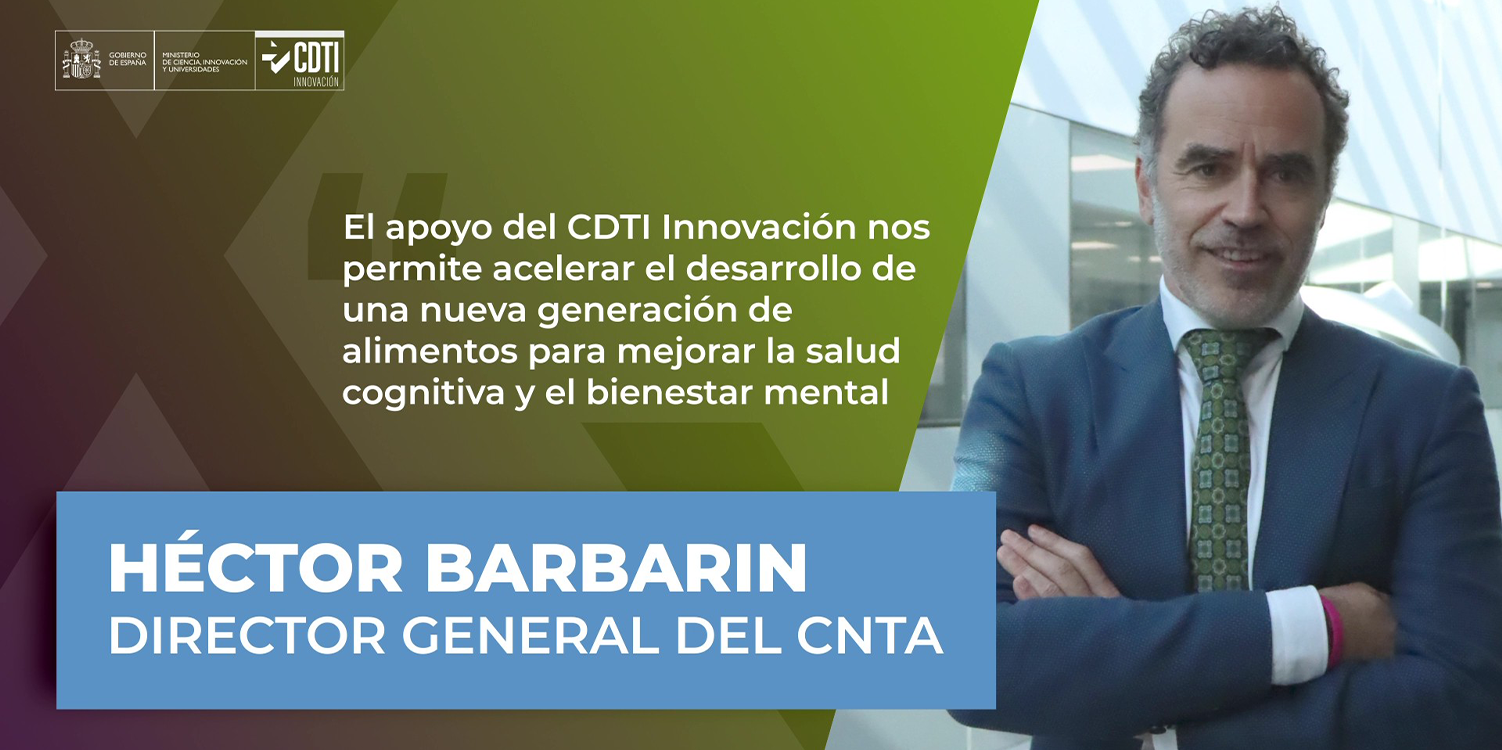
Héctor Barbarin, CNTA CEO: “The support of CDTI Innovation allows us to accelerate the development of a new generation of foods to improve cognitive health and mental well-being”
Through the Cervera NeurOmics Network, the National Center for Technology and Food Safety (CNTA) works with five other technological centers of excellence to generate the scientific evidence, methodologies and technological capabilities necessary to accelerate the development of food and ingredients with proven health benefits. This initiative, which is supported by CDTI Innovation, combines omics technologies, artificial intelligence and precision nutrition to scientifically demonstrate the effectiveness of these products and facilitate their arrival on the market.
The aging population and the growing interest in physical and emotional well-being are transforming the way we understand food. Beyond guaranteeing safe and quality products, research seeks to develop foods capable of contributing to health and responding to increasingly specific needs. A challenge that is driving new lines of innovation in the food sector.
In this scenario, the National Center for Technology and Food Security (CNTA) has been working for more than four decades to connect research with the real needs of the sector. Your participation in the NeurOmics Cervera Network represents a new step in that direction. The project brings together the CNTA technology centers, as coordinator, together with AINIA, AZTI, Eurecat, ANFACO-CYTMA and ASINCAR, and addresses one of the great current challenges of food innovation: generating stronger scientific evidence on the impact of ingredients and foods on cognitive functions such as memory, attention or stress response, and facilitating the transfer of that knowledge to innovative solutions for the industry through the use of cutting-edge technologies.
More than four decades driving food innovation
CNTA was born in 1981 on the initiative of the canning industry of the Ebro Valley with the aim of supporting the technological development of food companies. More than four decades later, the center has established itself as a national reference in innovation, research and food security, keeping its mission of "transforming the future of food" intact.
Since then, the sector has undergone a profound transformation. The traditional challenges related to food quality and safety have been joined by others linked to sustainability, digitalization and the development of products capable of responding to an increasingly demanding consumer. "In these decades, the industry has moved from focusing on production and safety to integrating sustainability, health and differentiation as strategic axes," explains Héctor Barbarin, CEO of CNTA.
NeurOmics: moving towards precision nutrition
The food industry increasingly needs scientific evidence to differentiate its products and respond to growing health and welfare demands. In this context, one of the great challenges remains to transform scientific advances into solutions that can reach the market, and this network was born to respond to that challenge: "NeurOmics aims to bridge the gap between scientific research and industrial application by providing companies with tools to develop innovative, less uncertain and regulatory compliant food solutions."
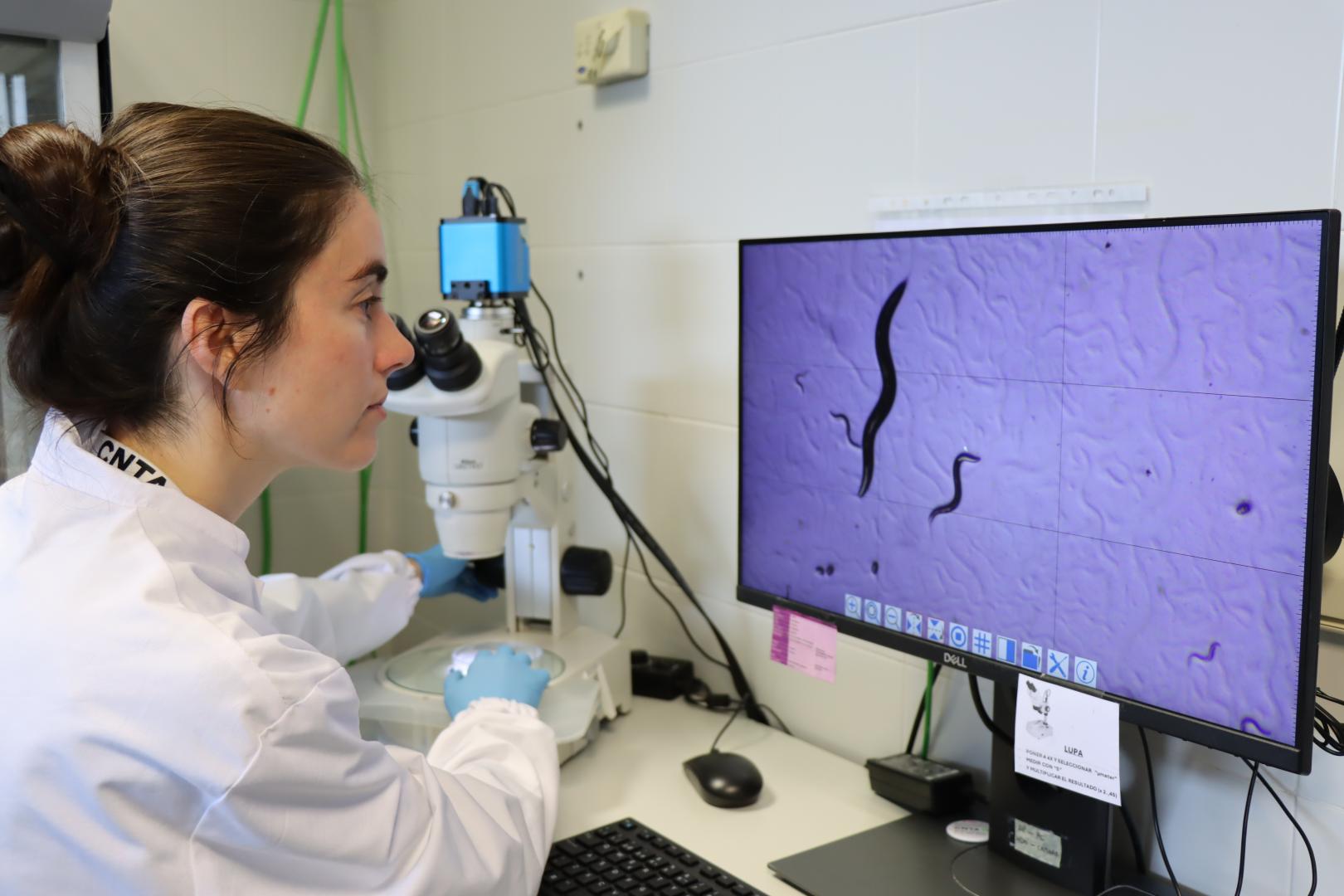 Laboratory work at CNTA for the development of precision nutrition
To achieve this, the project relies on the so-called omics technologies, capable of simultaneously studying thousands of biological variables to understand how the organism responds to certain food compounds. "Its approach combines advanced omics technologies, precision nutrition and artificial intelligence to generate robust scientific evidence on the impact of certain food compounds on functions such as memory, resilience or stress response," says Héctor Barbarin.
However, generating scientific knowledge is only one part of the process. The real challenge is to turn these results into useful applications for the food industry that meet regulatory requirements. "This involves integrating large volumes of complex data, validating the results through preclinical and clinical studies, and generating sufficient evidence to support health claims according to bodies such as the EFSA (European Food Safety Authority)," he adds.
Understand how each organism responds
Another challenge that NeurOmics addresses is to understand why each organism responds differently to the same food, an essential step to move towards a truly personalized nutrition. "In this context, NeurOmics introduces predictive models and precision nutrition approaches that seek to anticipate these responses, moving towards more personalized, effective and safe solutions," explains Héctor Barbarin.
This knowledge will allow the development of ingredients, supplements and functional foods aimed at improving cognitive functions, promoting emotional well-being or promoting healthier aging, offering companies new tools to design products adapted to specific needs.
Turning science into innovation
For CNTA, the value of a research project lies not only in the knowledge it generates, but in its ability to become business innovation. Therefore, technology transfer is part of NeurOmics from the first stages of the project, involving companies both in the validation of results and in the development of solutions.
"CNTA works with a transfer approach from the start of projects, involving companies, validating results in real environments and developing solutions ready for industrial application. The objective is to transform knowledge into products, processes and business models that generate economic and social value," says the executive.
To this end, the Network will develop the integrated NeurOmics Proof Lab demonstrator, which will allow all stages of the process to be validated in a coordinated way, from the identification of new ingredients to their clinical evaluation and consumer perception. "This approach will reduce uncertainty, optimize resources and accelerate product development with robust scientific evidence," he adds.
A network of excellence to drive innovation
The Network brings together some of the main scientific and technological capabilities of Spain in food, nutrition, molecular biology, data analysis and artificial intelligence. It is formed by 6 technology centers: CNTA (Network Coordinator), AINIA, AZTI, Eurecat, ANFACO-CYTMA and ASINCAR, organizations that combine knowledge in nutrition, microbiota, molecular biology, artificial intelligence and advanced data analysis to cover the entire research value chain, from laboratory to industry.
This collaboration will also allow the development of shared scientific infrastructures that will strengthen the innovative capacity of the sector. “Unique infrastructures, such as the multimodal platform or the Proof Lab demonstrator, accelerate innovation and reduce costs for companies. Overall, the network multiplies the impact: it improves efficiency, accelerates transfer and strengthens the international positioning of the Spanish ecosystem."
The impulse of the CDTI Innovation
A project of the magnitude of NeurOmics requires stable collaboration and sustained support to make its development possible. "The support of the CDTI, through Cervera grants, has been decisive in addressing a project of this magnitude, allowing to promote high-level research, strengthen technological capabilities and articulate collaboration between centres of excellence," says Héctor Barbarin.
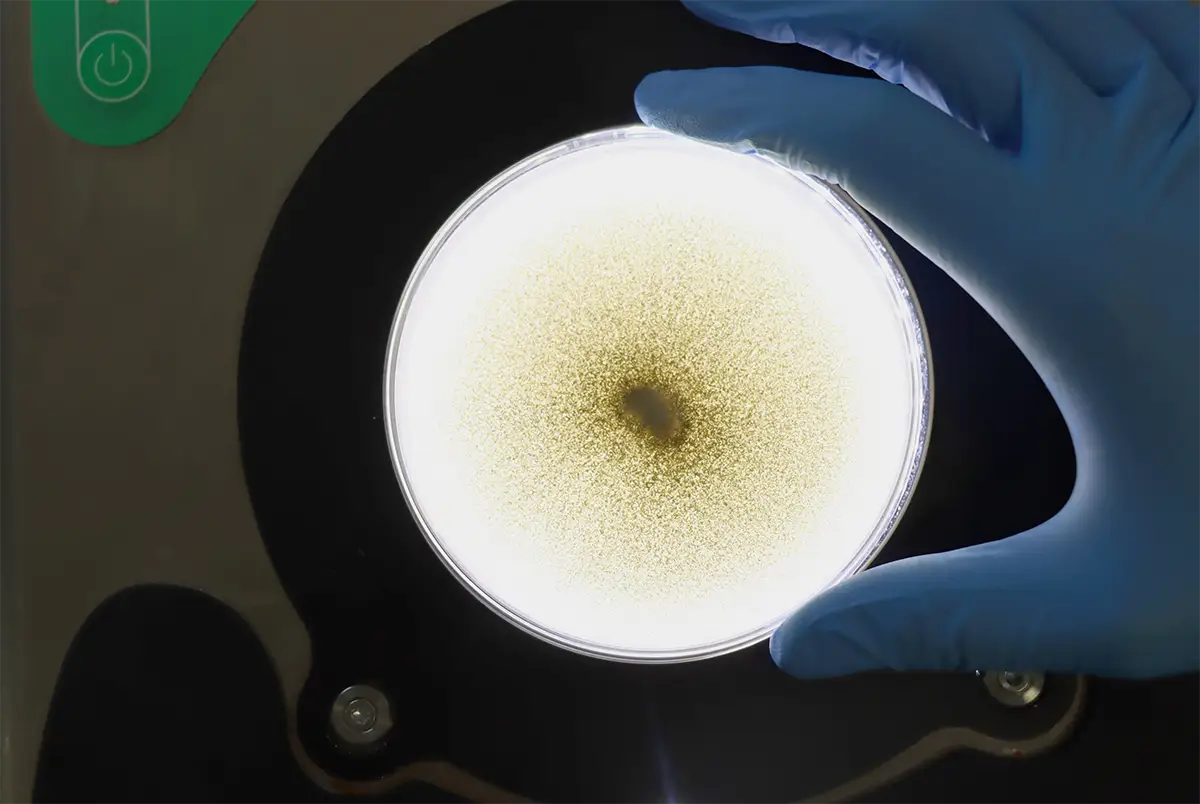 Analysis of cell cultures
For CNTA, the program goes beyond financial support, as it helps consolidate a collaboration model with a direct impact on the competitiveness of the sector: "The Cervera Networks of Excellence consolidate a stable model of cooperation that strengthens the scientific positioning of the Spanish ecosystem in emerging areas such as personalized nutrition."
Likewise, this model encourages the generated knowledge to effectively reach the business fabric, especially SMEs, boosting their growth and their presence in the national and international markets.
Building the food of the future
Over the next few years, the combination of artificial intelligence, personalized nutrition and multimodal analysis will mark much of food innovation. For CNTA, the challenge will be for that knowledge to reach companies and, finally, the consumer as soon as possible.
CNTA aims to continue to play a leading role in this transition, acting as a bridge between research and industry to accelerate the arrival of new food solutions on the market. "At CNTA, we want to help transform that knowledge into real innovation for companies and into solutions capable of improving people's health and quality of life," he concludes.
CDTI Innovation
The Center for Technological Development and Innovation, CDTI E.P.E. It is the innovation agency of the Ministry of Science, Innovation and Universities, whose objective is the promotion of technological innovation in the business environment. The mission of the CDTI is to ensure that the Spanish business fabric generates and transforms scientific and technical knowledge into globally competitive, sustainable and inclusive growth. In 2025, within the framework of the Strategic Plan 2024-2027, the CDTI provided 2,423 million euros of support to Spanish companies and startups.
More information:
Press Office
press@cdti.es
91-581.55.00
On the Internet
Website: www.cdti.es
On Linkedin: https://www.linkedin.com/company/29815
On X: https://x.com/CDTI_innovacion
On Youtube: https://www.youtube.com/user/CDTIoficial
This content is copyright © 2026 CDTI,EPE. The use and reproduction is allowed by citing the source and digital identity of CDTI (@CDTI_innovacion).